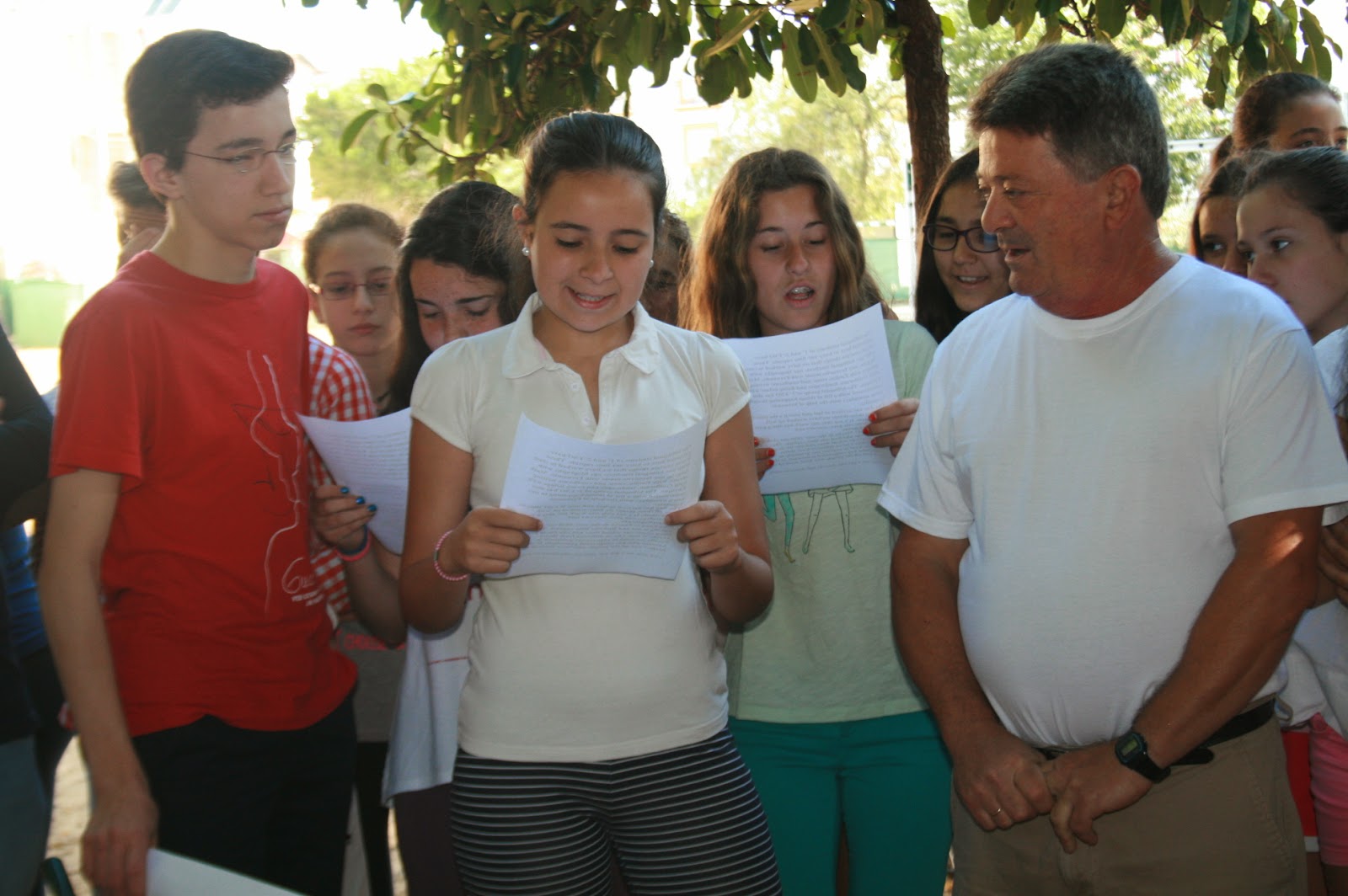
Dentro del Proyecto Bilingüe, en el segundo trimestre se estuvo trabajando desde los distintos departamentos y profesores implicados en el tema de la Paz. El resultado os lo mostramos en estas fotos:
For the last term and from the Bilingual Proyect, several departaments and teachers were working on the topic of Peace. The result we show you in these pictures.
Blog que recoge publicaciones del alumnado y actividades que se realizan en nuestro centro
Mostrando entradas con la etiqueta Sección bilingüe. Mostrar todas las entradas
jueves, 16 de abril de 2015
miércoles, 27 de noviembre de 2013
HAPPY HALLOWEEN!!!
Halloween
may be over but our school hasn´t missed our appointment with the scary
festivity this month. Like in previous years our IES has organized a ghostly
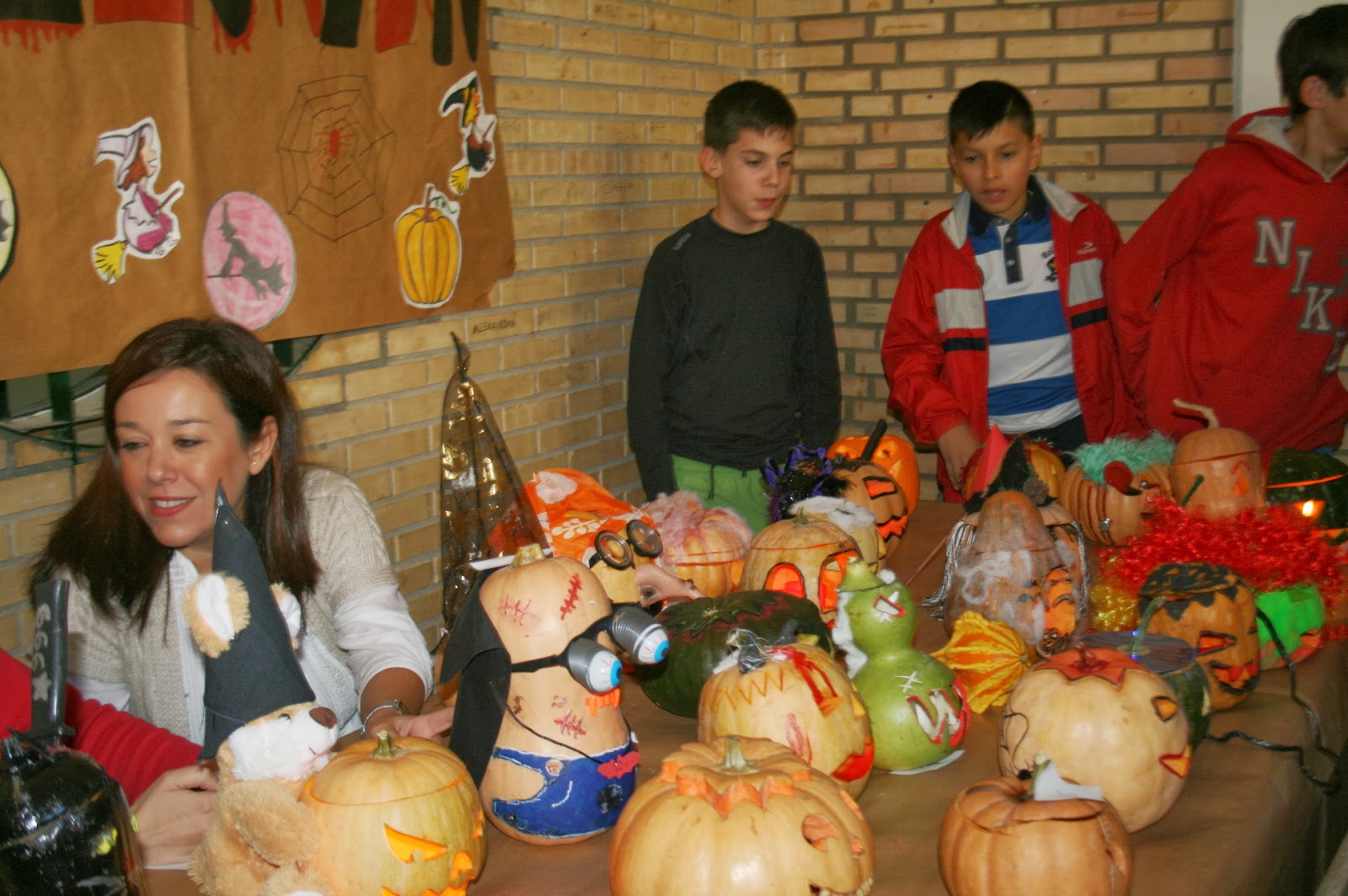
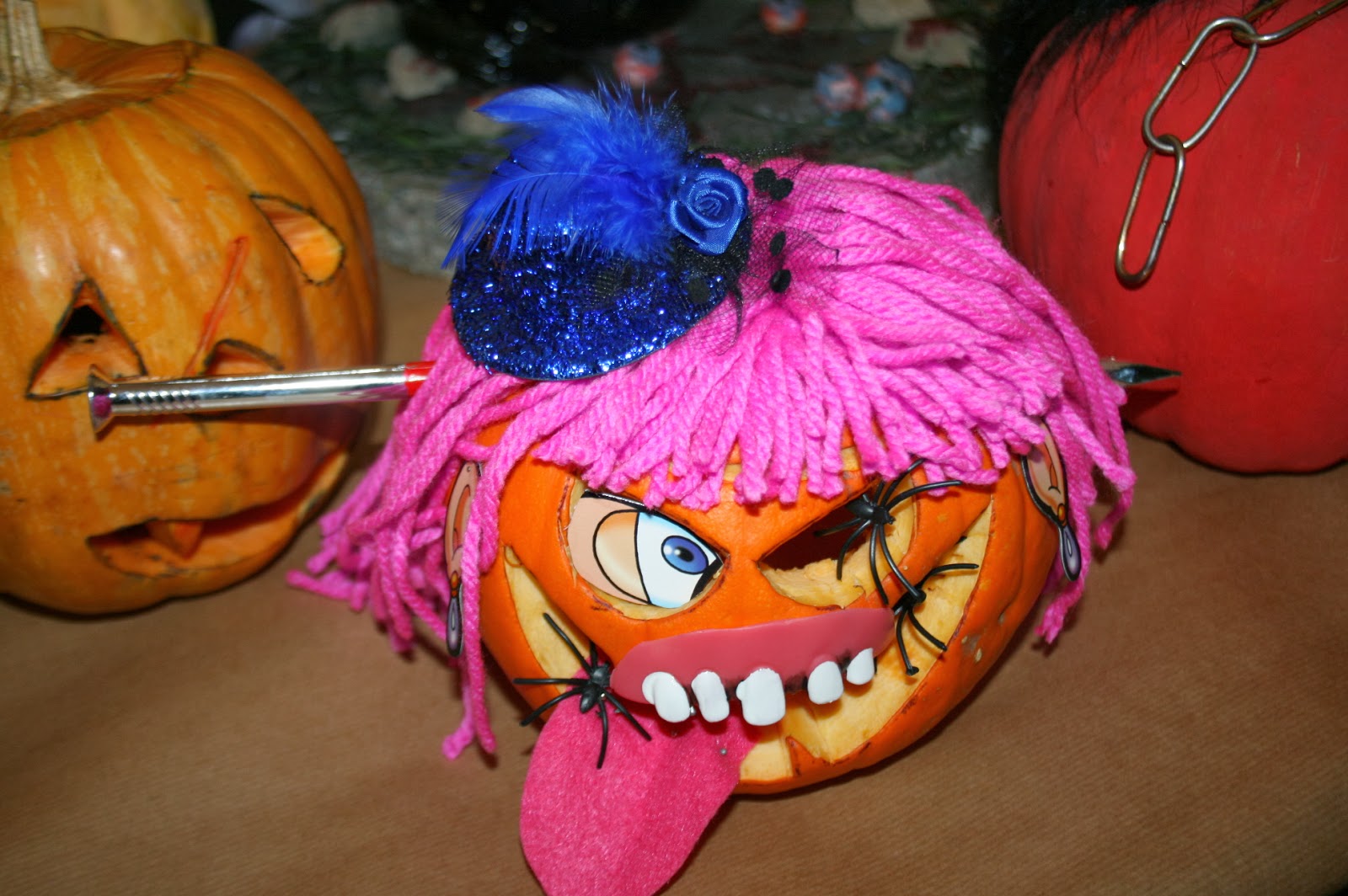
pumpkin contest which again has been a real success thanks to the collaboration
of all the students from 1st and 2nd year ESO. Your
imagination and carving skills are more and more original and every year it
takes teachers a lot of effort to decide the winner pumpkins. Thanks to you all
folks. The Bilingual Department also collaborated with this celebration
organizing activities Halloween-related. Do you want to see pictures of it all?
Click here and watch out……..
HAPPY HALLOWEEN!!!
Like many other holidays, Halloween has evolved and changed throughout
history. Over 2,000 years ago people called the Celts lived in what is now
Ireland, the UK, and parts of Northern France. November 1 was their New Year's
Day. They believed that the night before the New Year (October 31) was a time
when the living and the dead came together.
More than a thousand years ago the Christian church named November 1 All
Saints Day (also called All Hallows.) This was a special
holy day to honor the saints and other people who died for their religion. The
night before All Hallows was called Hallows Eve.
Later the name was changed to Halloween.
Like the Celts, the Europeans of that time also believed that the spirits
of the dead would visit the earth on Halloween. They worried that evil spirits
would cause problems or hurt them. So on that night people wore costumes that
looked like ghosts or other evil creatures. They thought if they dressed like
that, the spirits would think they were also dead and not harm them.
The tradition of Halloween was carried to America by the immigrating
Europeans. Some of the traditions changed a little, though. For example, on
Halloween in Europe some people would carry lanterns made from turnips. In
America, pumpkins were more common. So people began putting candles inside them
and using them as lanterns. That is why you see Jack 'o lanterns today.
These days Halloween is not usually considered a religious holiday. It is
primarily a fun day for children. Children dress up in costumes like people did
a thousand years ago. But instead of worrying about evil spirits, they go from
house to house. They knock on doors and say "trick or treat." The
owner of each house gives candy or something special to each trick or treater.
martes, 25 de junio de 2013
Time capsule
The
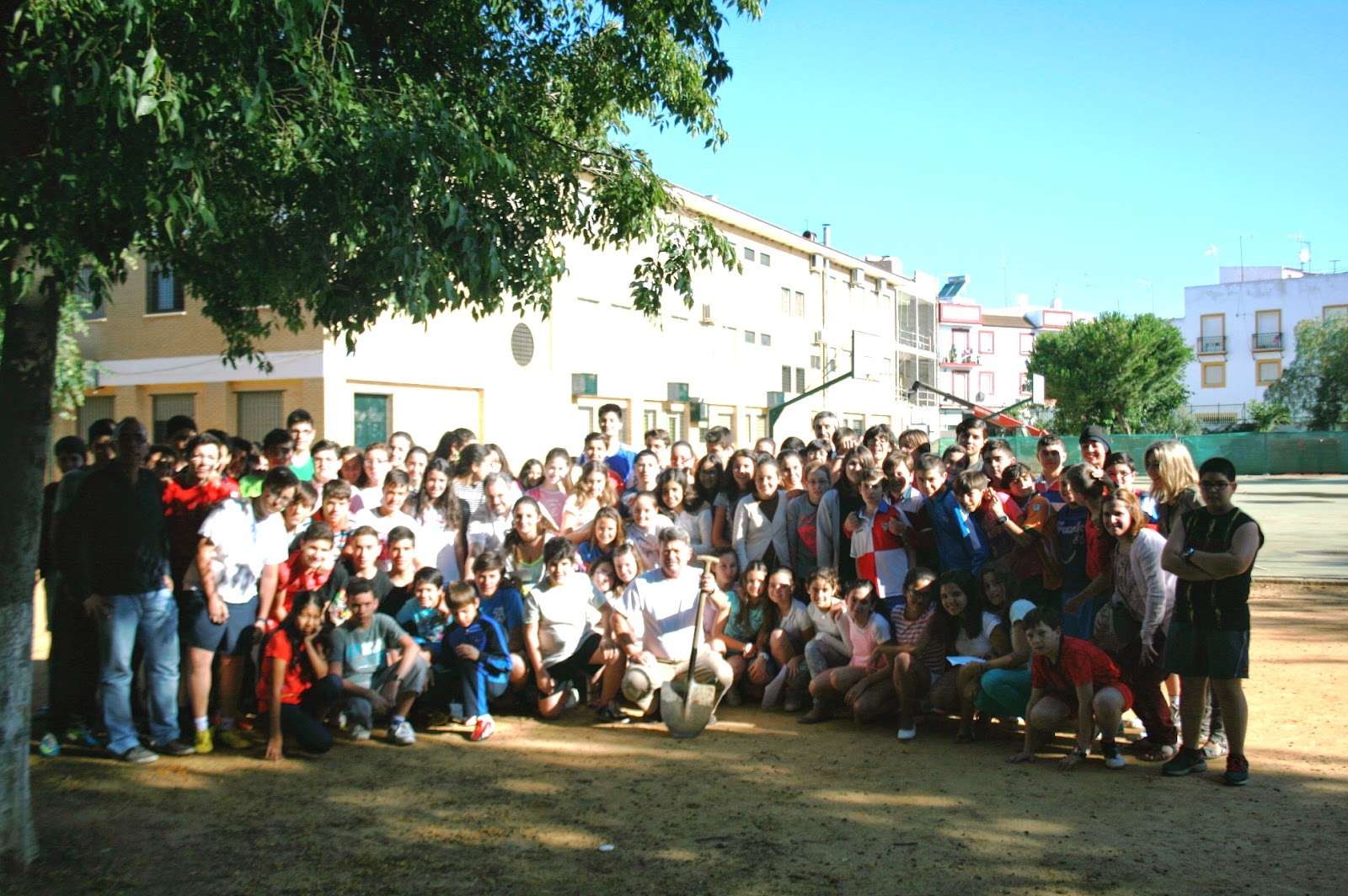
bilingual students of 1º and 2º ESO have gathered here to bury our time
capsule.
These boxes contain things that we have worked in class with our
bilingual teachers: our biography with Ángela, our favourite music with
Fernando, Math photos with Emilio, runic and cuniform writing with Guillermo,
landscapes and living beings with Enrique.
The bilingual group of 3º ESO has
also contributed with a list of things happening in our town nowadays with the
help of Fernando González.
The
day has arrived at last and now it´s the time to bury all those things we have
worked on with enthusiasm. It´s not only our work but also a part of ourselves:
our joys, sorrows and accomplishments.
Who
knows? Maybe in the year 2040 our children will dig it out and find our time capsule.
They will learn about our school days and our life in general. Maybe it won´t
be so different from theirs.
Finally
we want to express our gratitude to Antonio who has cooperated generously in
this project and all the people who have worked on it.
And
now let´s get our shovels and down to work
Click here to see more photos
lunes, 26 de noviembre de 2012
This is Halloween!!
THIS
IS HALLOWEEN!!
Halloween
is celebrated in the United
States and many other parts of the world.
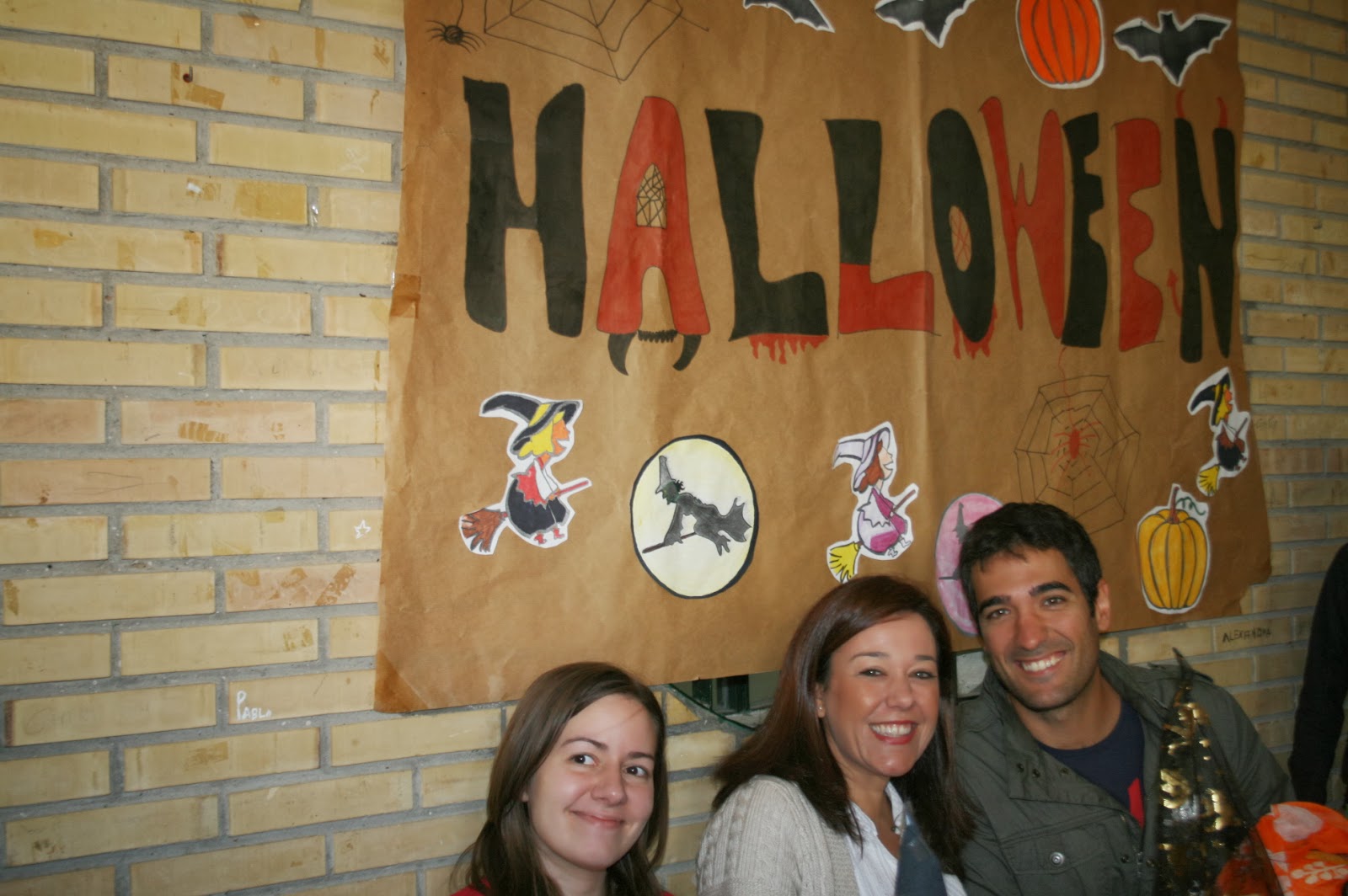
Our school has also wanted to join the celebration of this festivity and some
departments prepared activities for the students that were carried out on 31st
October and the previous days. Here is a small summary of some of the
activities performed at the school and the pumpkin contest. If you didn´t have
enough click on the Bilingual link to get more information on our Halloween
project.Here you are some pictures of our activities...
... and other different pictures...
HAPPY
HALLOWEEN!!!
Like
many other holidays, Halloween has evolved and changed throughout history. Over
2,000 years ago people called the Celts lived in what is now Ireland, the UK,
and parts of Northern France. November 1 was
their New Year's Day. They believed that the night before the New Year (October
31) was a time when the living and the dead came together.
More
than a thousand years ago the Christian church named November 1 All Saints
Day (also called All Hallows.) This was a special holy day to honor
the saints and other people who died for their religion. The night before All
Hallows was called Hallows Eve. Later the name was changed to
Halloween.
Like
the Celts, the Europeans of that time also believed that the spirits of the
dead would visit the earth on Halloween. They worried that evil spirits would
cause problems or hurt them. So on that night people wore costumes that looked
like ghosts or other evil creatures. They thought if they dressed like that,
the spirits would think they were also dead and not harm them.
The
tradition of Halloween was carried to America by the immigrating
Europeans. Some of the traditions changed a little, though. For example, on
Halloween in Europe some people would carry
lanterns made from turnips. In America,
pumpkins were more common. So people began putting candles inside them and
using them as lanterns. That is why you see Jack 'o lanterns today.
These
days Halloween is not usually considered a religious holiday. It is primarily a
fun day for children. Children dress up in costumes like people did a thousand
years ago. But instead of worrying about evil spirits, they go from house to
house. They knock on doors and say "trick or treat." The owner of
each house gives candy or something special to each trick or treater.
(Source: www.5minuteenglish.com)
viernes, 30 de marzo de 2012
EASTER
Holy Week in Seville (Spanish: Semana Santa de Sevilla) is one of the most important traditional events of the city. It is celebrated in the week leading up to Easter (Holy Week among Christians), and is one of the better known religious events in Spain. This week shows the procession of pasos, floats of lifelike wooden sculptures of individual scenes of the events of the Virgin Mary showing restrained grief for the torture and killing of her Son. Some of the sculptures are of great antiquity and are considered artistic masterpieces, as well as being culturally and spiritually important to the local Catholic population.
jueves, 29 de marzo de 2012
martes, 28 de febrero de 2012
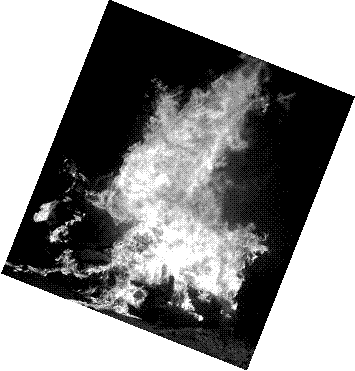
DAY OF THE CANDLES
The day of the candles is on 4th February. This day celebrates the candles of the brotherhoods of the Pastora and the Asunción. The candles of the Pastora is celebrated in the Pajares and the candles of the Asuncion is celebrated in the centre of the village (Llano Square). This day the people make a JUA and after that they burn the JUA. There the people eat and drink a lot and talk with each other. When they turn on the candles, it's hot and the people sit around them.
viernes, 24 de febrero de 2012
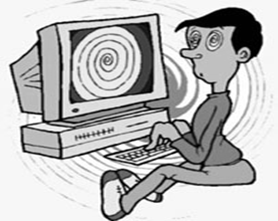
The Social Networks and the teenagers
Teenagers are hooked on the social networks. According to studies 55 % of young people devote more than three hours a day to social networks and they leave the books aside.
Nowadays, Internet is a way to get information about the world around us, and sometimes students need it to do their homework. The social networks are also a good way to keep contact with friends and meet new people on the net. You can upload pictures, speak with the others in real time and play virtual games with your friends.
However, many students do not make a good use of the Internet and the social networks. Parents should pay attention in case their kids develop strange behaviours. Being all day at the computer can make students quit their studies or they may bully other kids or being insulted or threatened by strangers.
I do not want to say that we should not use them, because sometimes they are necessary. But it is not a good thing to use them all the time, because we also need to go out with friends, speak with them face to face, and do physical exercise.
I recommend that we make a good use of the technology that is being offered to us, so that we can choose the best for our future.
DO YOU WANT TO END LIKE THIS?
Nowadays, Internet is a way to get information about the world around us, and sometimes students need it to do their homework. The social networks are also a good way to keep contact with friends and meet new people on the net. You can upload pictures, speak with the others in real time and play virtual games with your friends.
However, many students do not make a good use of the Internet and the social networks. Parents should pay attention in case their kids develop strange behaviours. Being all day at the computer can make students quit their studies or they may bully other kids or being insulted or threatened by strangers.
I do not want to say that we should not use them, because sometimes they are necessary. But it is not a good thing to use them all the time, because we also need to go out with friends, speak with them face to face, and do physical exercise.
I recommend that we make a good use of the technology that is being offered to us, so that we can choose the best for our future.
DO YOU WANT TO END LIKE THIS?
Suscribirse a:
Entradas (Atom)


.png)